
Why Pragmatism Is Suddenly the Hottest Idea at COP30
Key points:
- Climate ambition is evolving toward realism and strategy, not rhetoric
- Recent COPs have delivered imperfect but meaningful gains on coal, loss and damage, fossil fuels, and finance
- Leaders argue that progress now depends on pragmatic negotiation, not purity tests
The story:
Kevin Spellacy, CEO of Patch shares his views on the evolving pragmatic approach to net zero.
The more COPs I attend, the more I see a trend toward pragmatism. I know that can come off as a bit of a dirty word in certain circles, since some associate it with a lack of ambition — especially given the urgency of climate change.
I don’t see it that way.
There’s nothing more ambitious than relentless focus on real-world challenges. I’ll be the last person to defend any of the various shortcomings of the last four COPs since I started attending. As one example, Patch specializes in carbon markets and environmental commodities; I’ve consistently been advocating for more policy progress here, specifically.
After attending multiple UN climate conferences, a pattern is becoming impossible to ignore. The center of gravity at COP is shifting. Not toward lower ambition, but toward a more grounded form of it: pragmatism.
For some, pragmatism still feels like a compromise. A softening. A step back from the urgency the climate crisis demands. But for many inside the process, it has become the only path to tangible outcomes.
Look at the last four COPs. None delivered the sweeping breakthroughs the world hoped for, yet each carved out hard-fought progress:
COP26 produced the global coal phase-down language that was once unthinkable
COP27 established the loss and damage fund after decades of stalled debate
COP28 marked the first time fossil fuel transition appeared in official text
COP29 set a 300 billion dollar climate finance goal to accelerate investment
These are imperfect victories. They fall short of what science demands. But they also represent inches of progress that required relentless negotiation among countries with deeply divergent priorities. Inside the COP process, nothing moves without friction, compromise, and hours of strategic diplomacy.
That is the essence of pragmatism: not lowering ambition, but working through the real constraints of global politics to achieve progress that lasts.
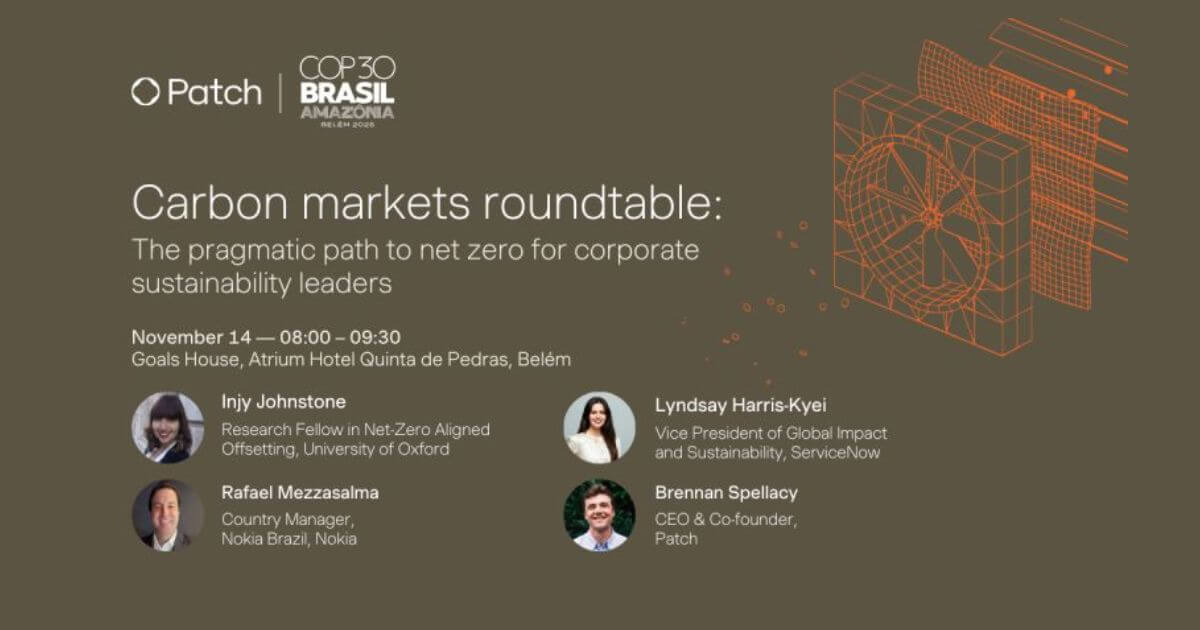
Spellacy will be speaking at a COP30 round table, November 14th with Dr Injy Johnstone, Lyndsay Harris Kyei and Rafael Mezzasalma. It’s November 14th, hosted by Patch and Goals House. The conversation will explore what pragmatic climate action actually looks like, how coalitions find common ground, and why strategic thinking is becoming indispensable for global climate progress.